Transition Year
Curriculum
St. Michael’s was one of the first schools in the country to pilot the Transition Year Programme. Over the last number of years the programme in the school has been developed and expanded.
The Department of Education & Skills defines the purpose of Transition Year as follows:
‘To promote the personal, social, educational and vocational development of pupils and to prepare them for their role as autonomous, participative, and responsible members of society.’
Transition Year in St. Michael’s aims to
- Encourage personal and social development of students
- Further academic achievement. Help prepare students for further study and adult working life
- Increase social awareness of students with emphasis on development of confidence and personal talent
- Provide education through real life experience, use of ICT, peer teaching, research, self-directed learning, self-evaluation and self-assessment, and community based focus, whilst retaining a focus on more traditional methodologies, subjects and assessments
- Create a positive environment in which students have opportunities to reach their true potential while availing of a supportive framework for personal development
- Include parents, guardians, students and school management in a process of consultation and support for the mutual benefit of all
Transition Year Programme in St. Michael’s includes
- Irish, English, Maths, Science, French / German, Business– all mixed ability
- Social justice, Computer studies, Choir, Careers, Religion
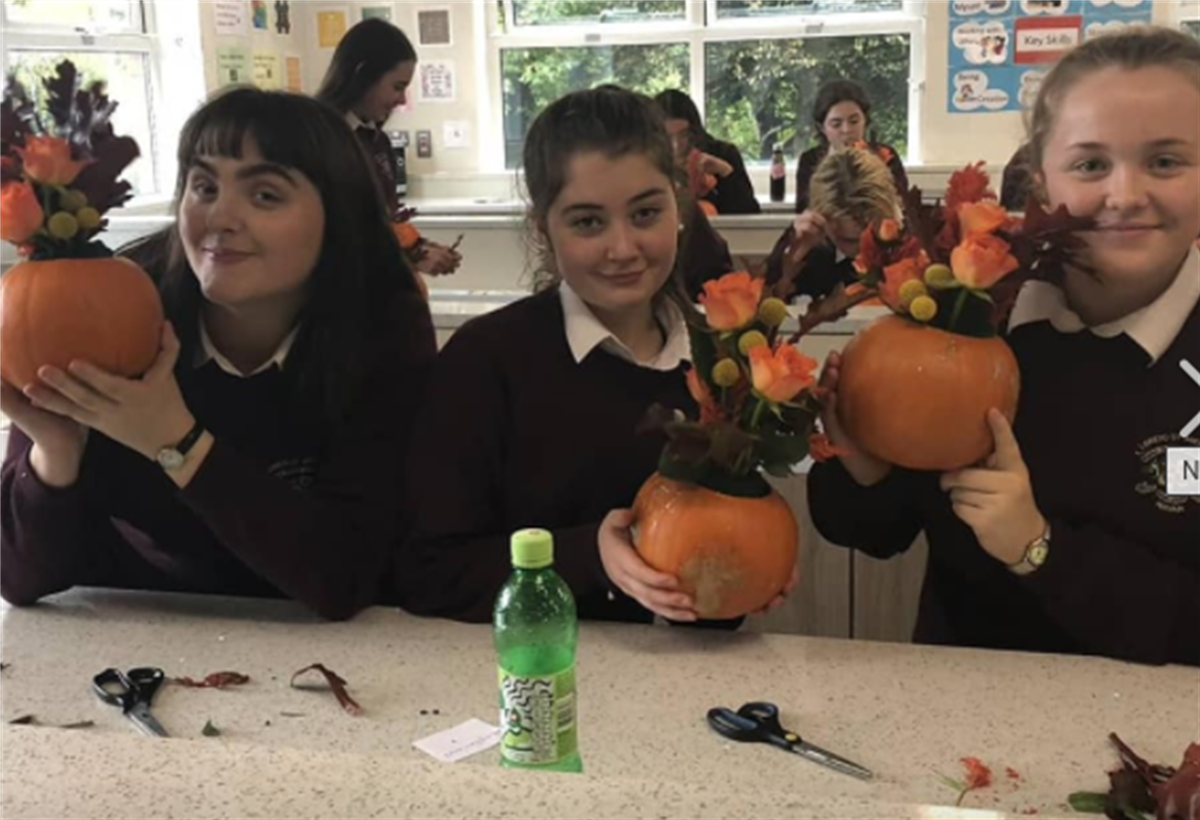
- Various modules: e.g. Public Speaking, Yoga, Crafts, Art, Media Studies, Geography, History, Italian, Gym , Sign language, Home Economics, Science.
- Subjects are determined by the availability of specific teachers, timetabling restraints, the availability of resources and the size of teaching groups etc. One year’s subjects do not determine the following year’s timetable.
- Work/Activities are largely school-based. Work experience takes place on Friday of each week and students organise their own work experience placements.”
- Subject departments or individual teachers devise, evaluate and assess the curricula, guided by the DES guidelines for Transition Year.
- Student, parent and guardian evaluations and weekly reflections
Currently, Transition Year is optional and is subject to the school’s Transition Year Admissions Policy.